A glimpse into a subset of the work we do. Each one shows the decision the client faced, what was built, how it was verified and what it resulted in.
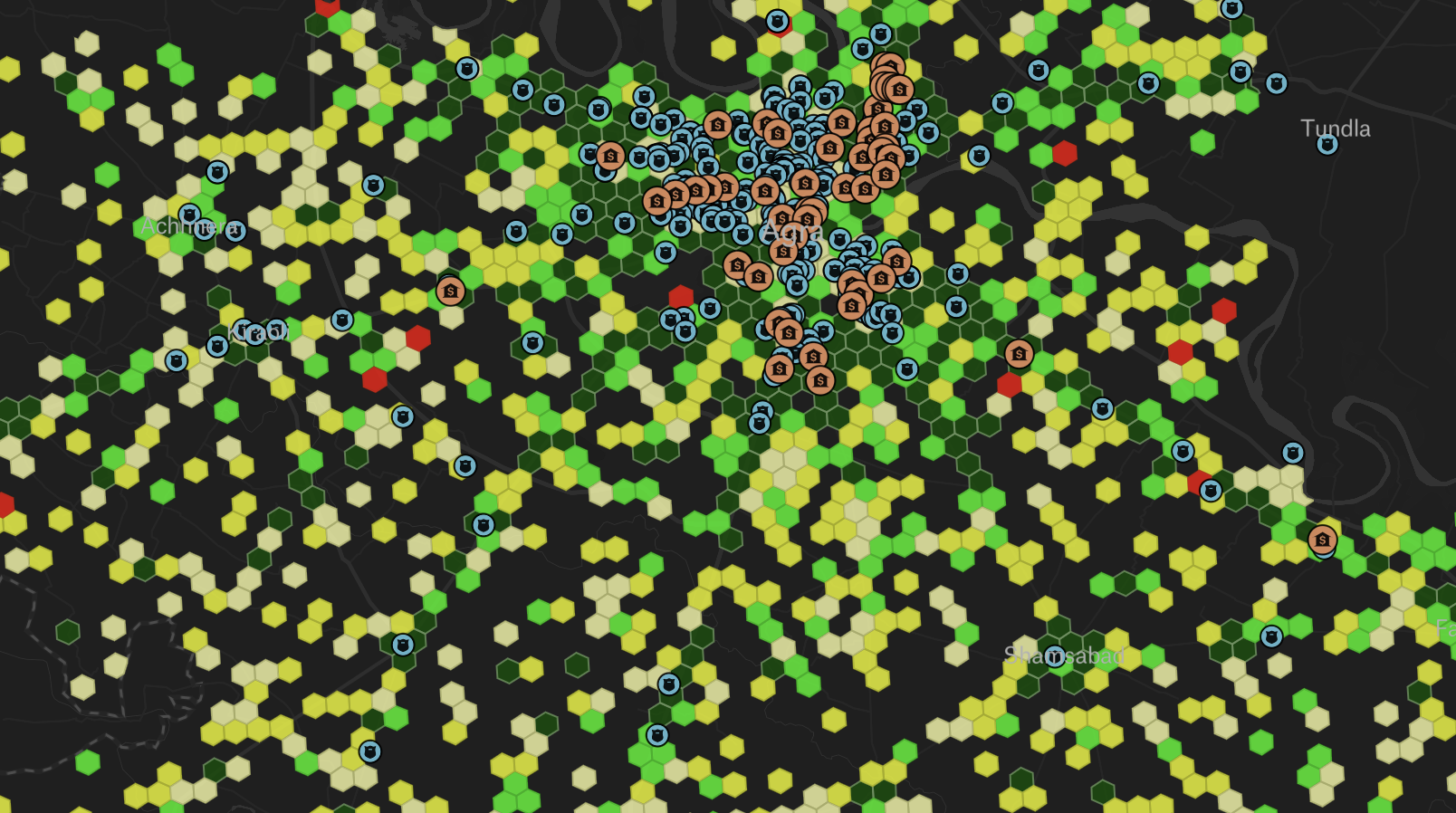
A bank was scouting ATM sites district by district. Every micro-market in two pilot districts was ranked before any site visit, avoiding unnecessary field expenditure.
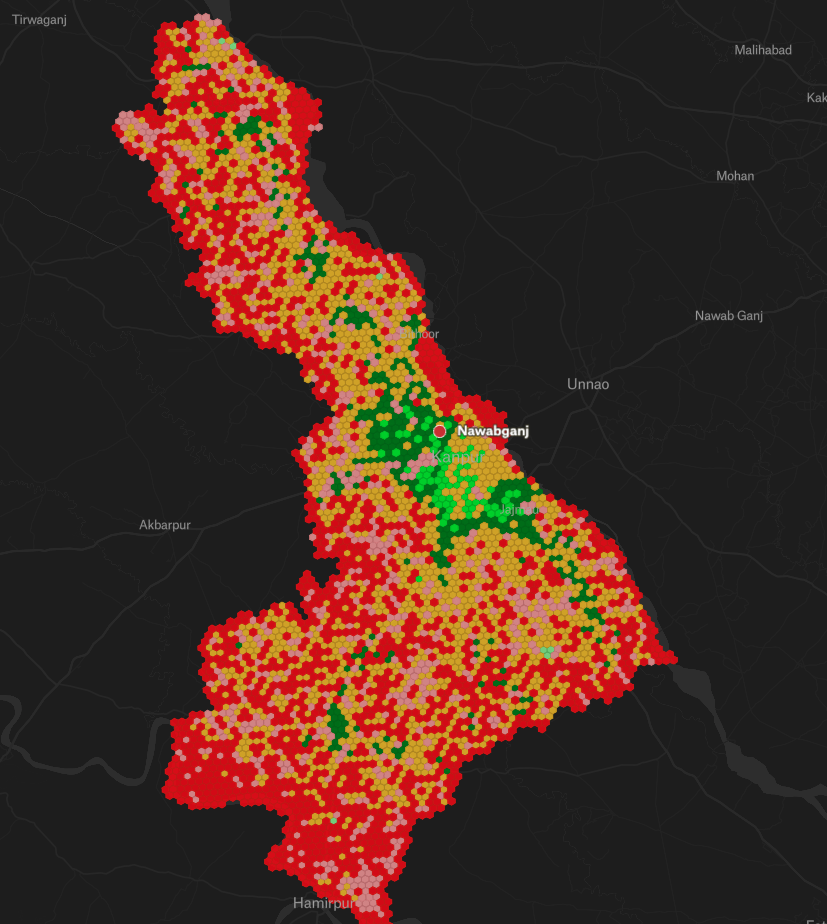
A residential solar company assumed its partner network covered its best markets. Ranking districts on demand showed the strongest ones had no installation partner at all.
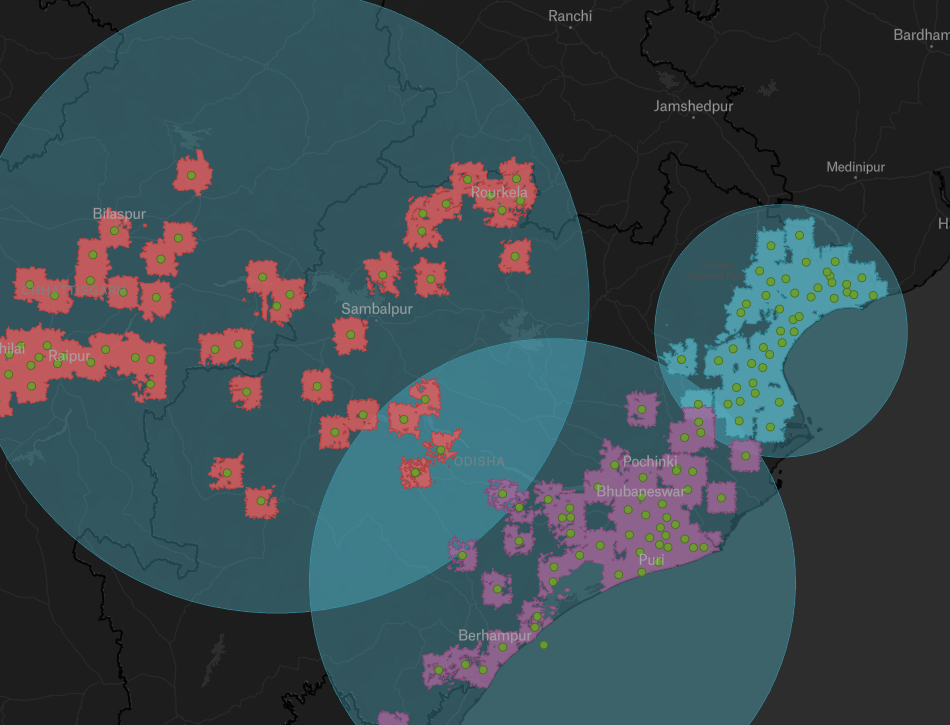
A rural healthcare company runs e-clinics out of village service centres, with pharmacy and diagnostic partners attached. Every candidate village was assessed on demand and infrastructure, and the shortlist was cut to the few that can sustain a clinic.
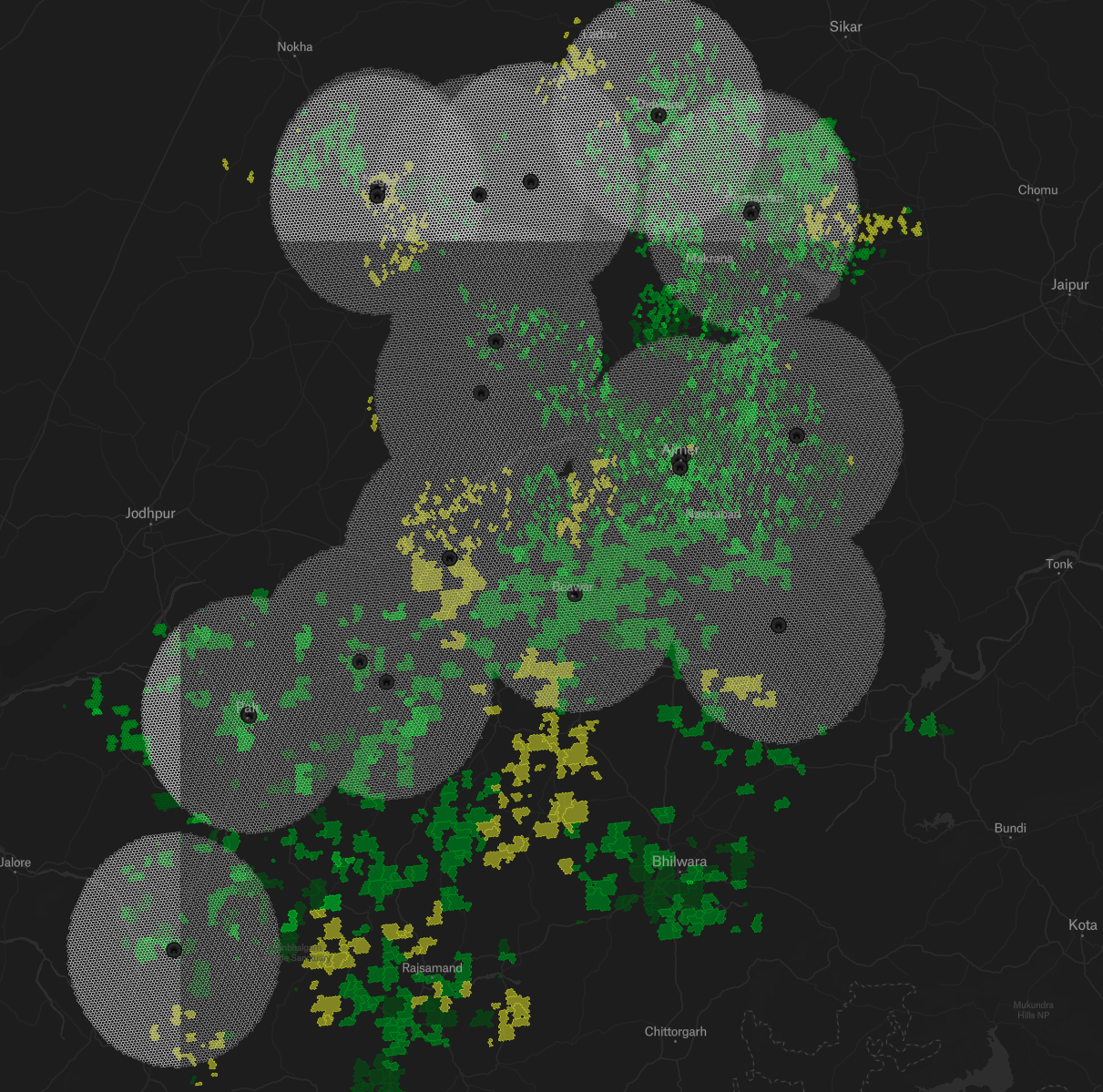
A diversified NBFC was opening locations on a single readiness view. Each catchment was assessed separately for vehicle loans, secured personal loans and gold loans, so the product mix could be set market by market.
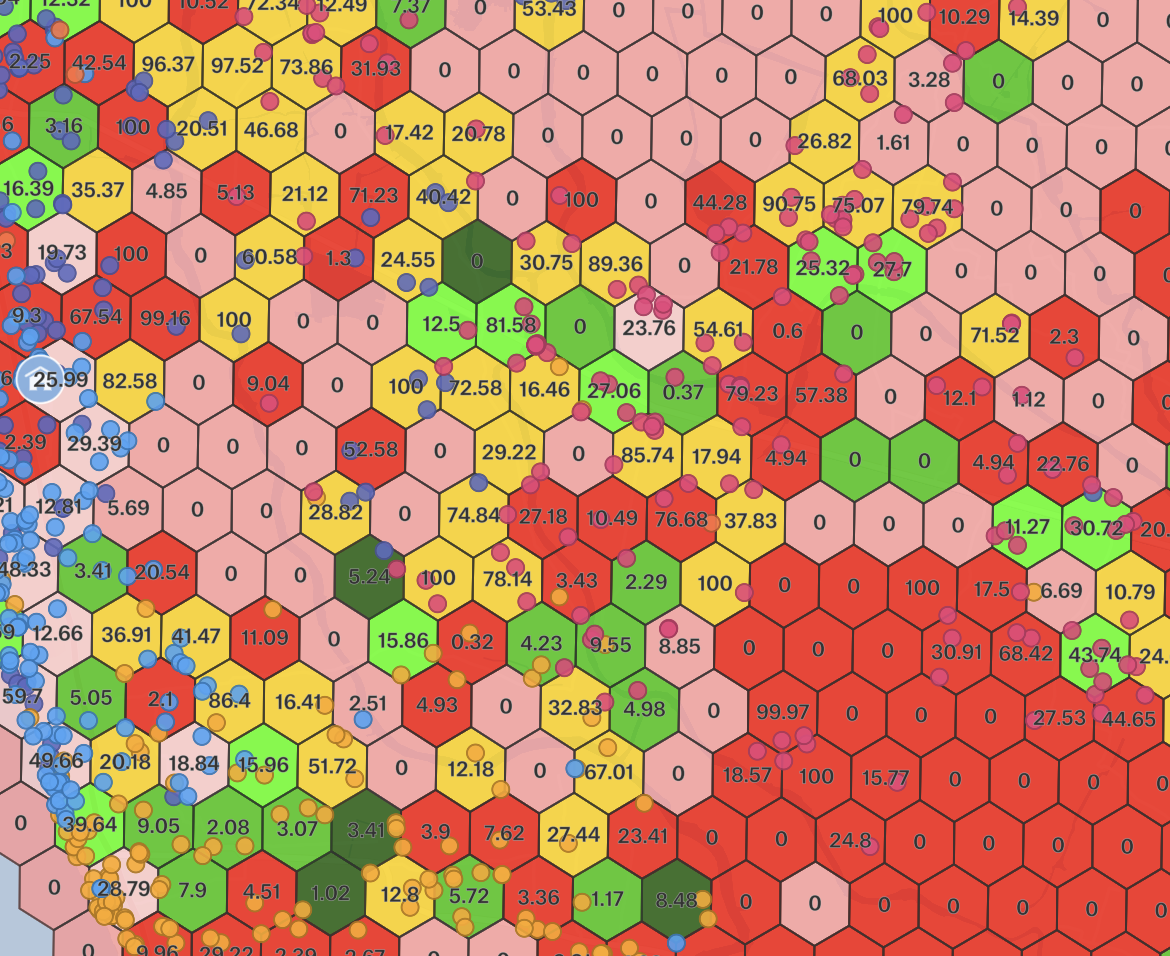
A microfinance lender chose centre locations on demographics alone. Adding credit bureau history showed that markets which look identical on paper can differ sharply on write-offs.
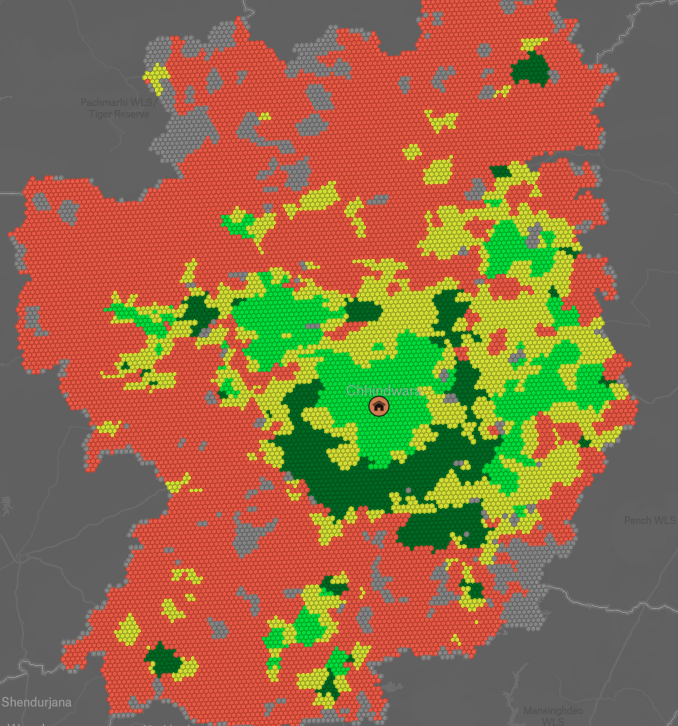
A used farm equipment business needed to know where demand would last. Markets were assessed on farm income, road access and climate risk, so the network could follow demand beyond where dealers already sit.
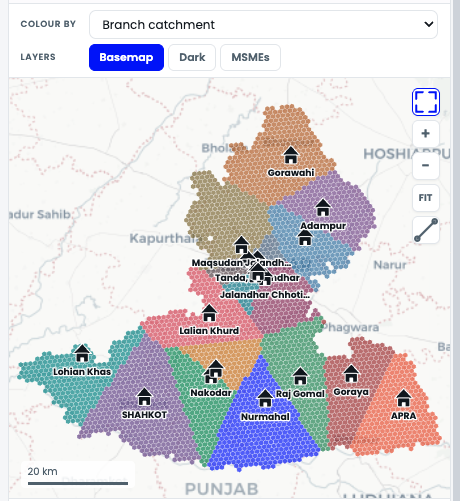
A private bank could see deposit balances by district and nothing below it. We estimated the deposit base around each branch, removed what competitors already hold, and drew territories with goals and market share attached.
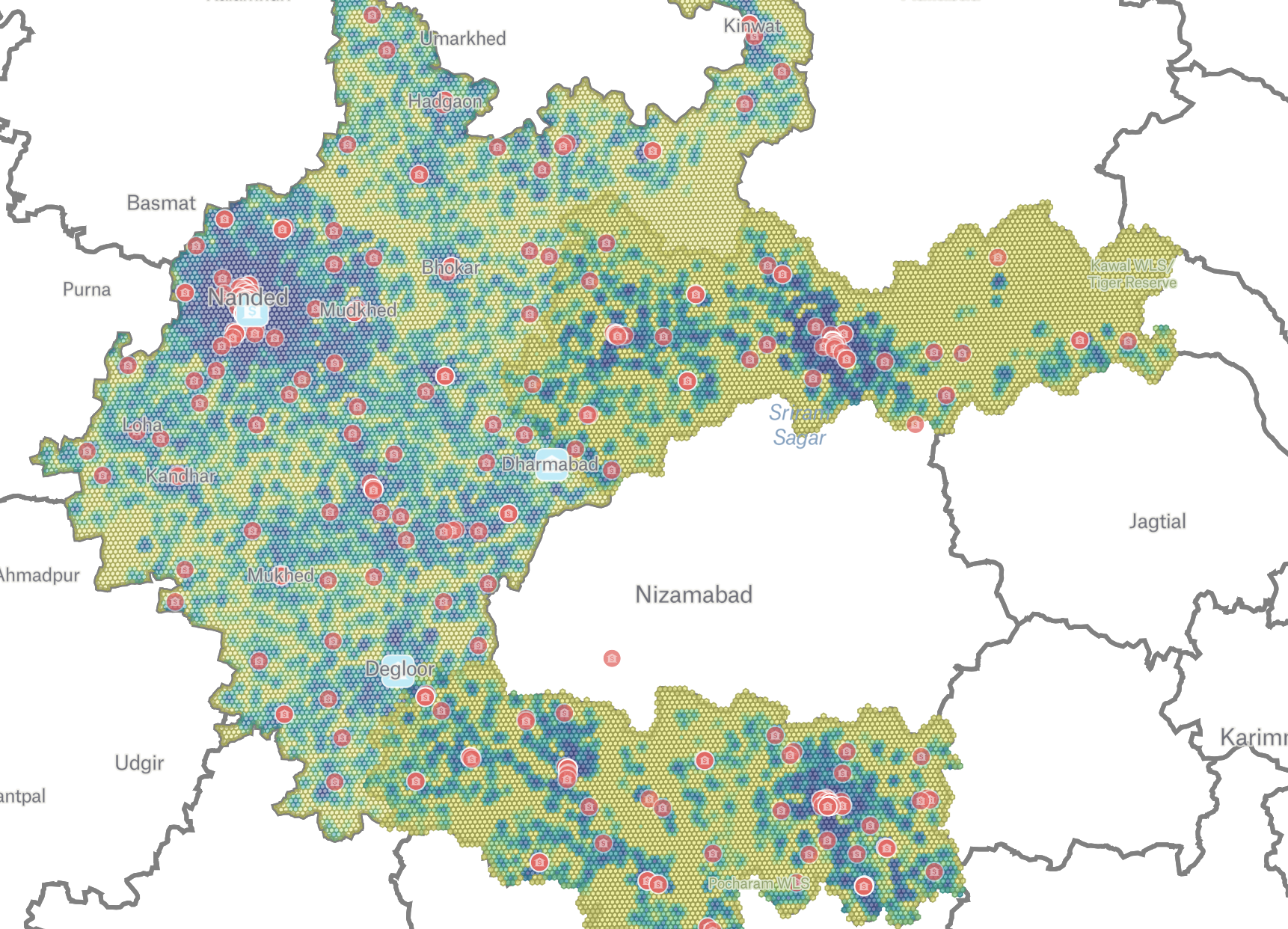
Published deposit data stops at the district. The rural arm of a private bank needed deposit potential for the area each branch serves, with the share competitors already hold taken out.
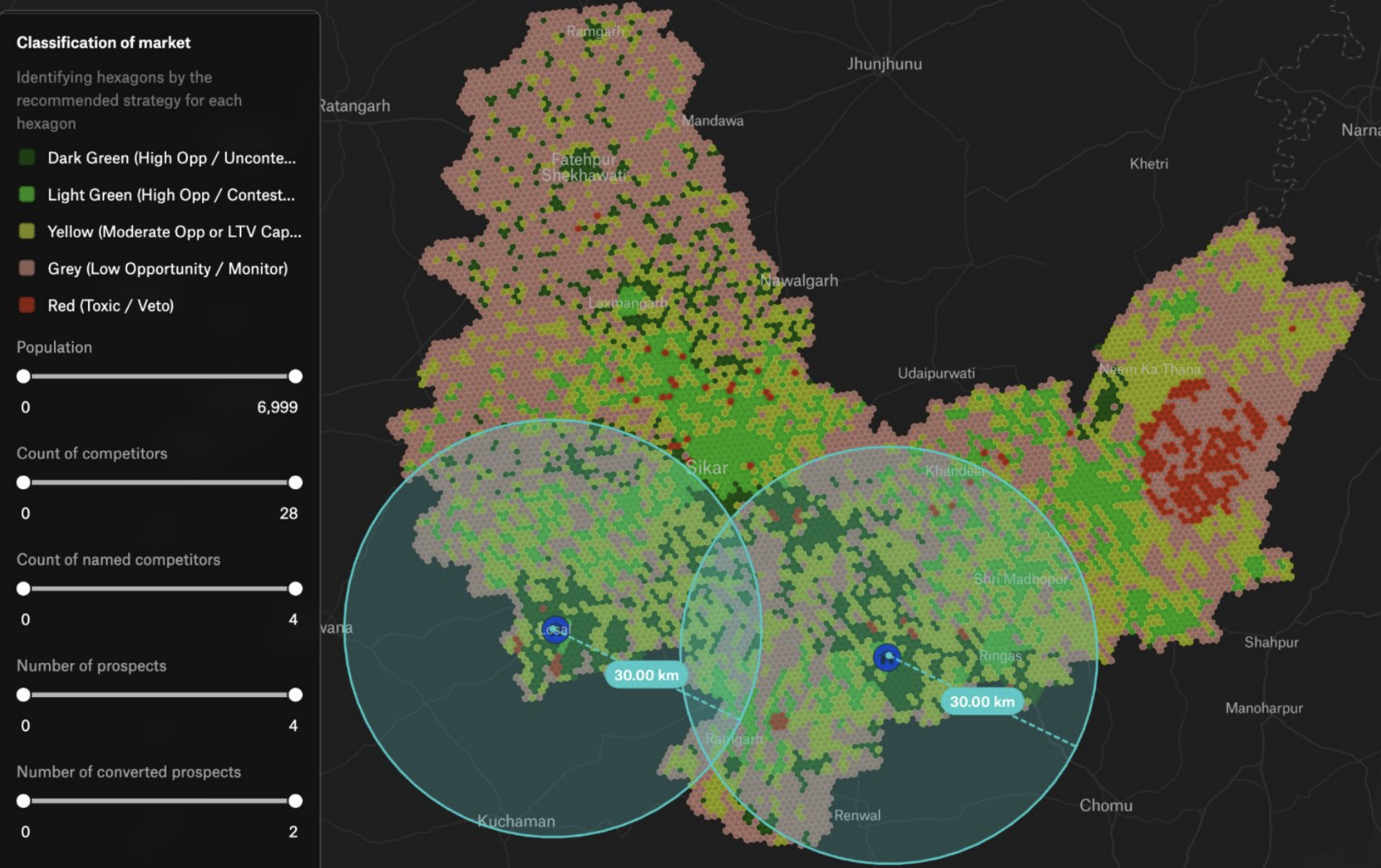
A small finance bank assessed secured lending demand by pin code, which is too broad to choose a camp site. Demand was mapped at micro-market level, and camps were planned around the strongest ones.
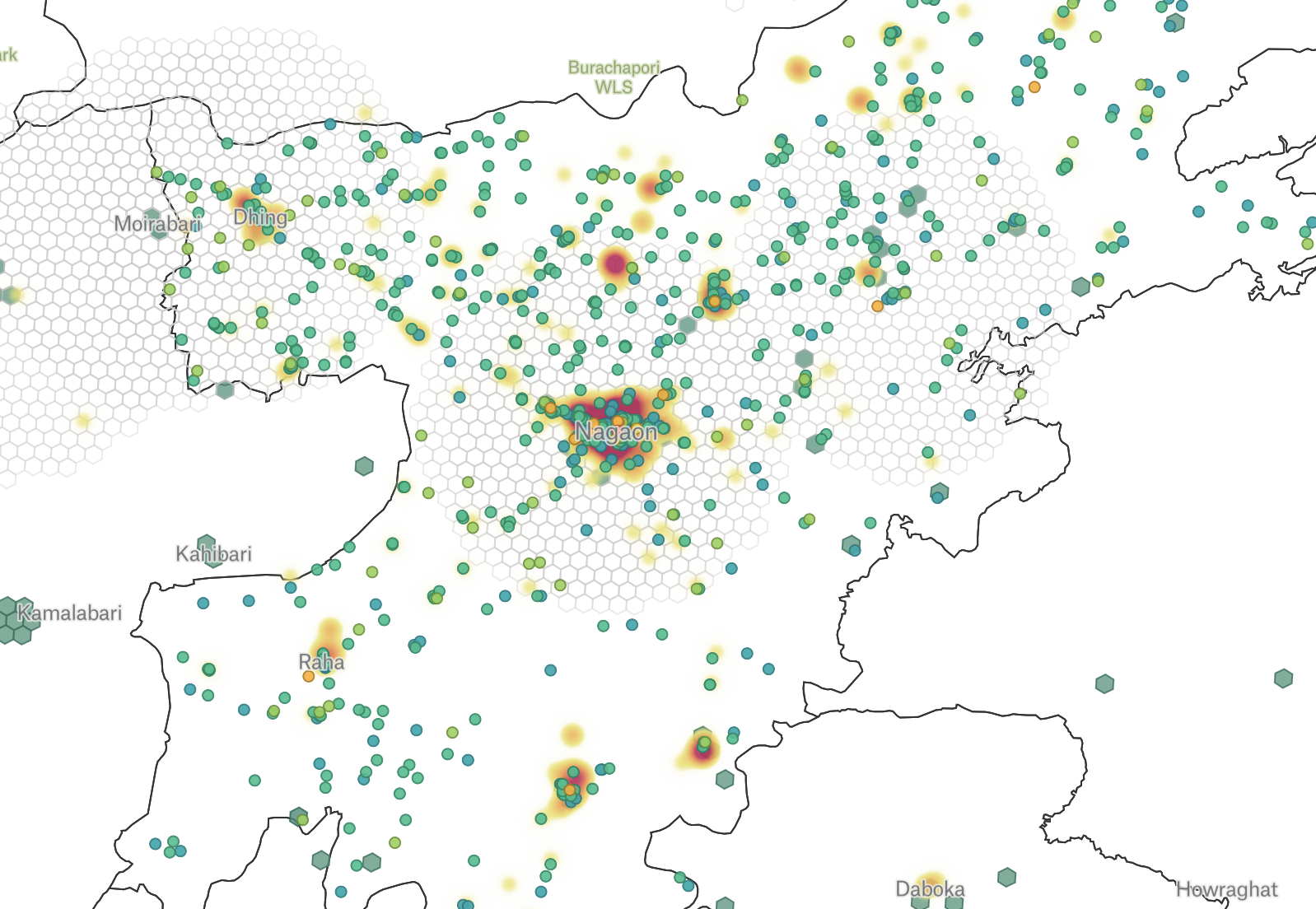
A national diagnostics chain was entering a new state at speed. The model was first tested on the centres it already ran, exposing overlap and weak placements, and then used to find sites across underpenetrated districts.
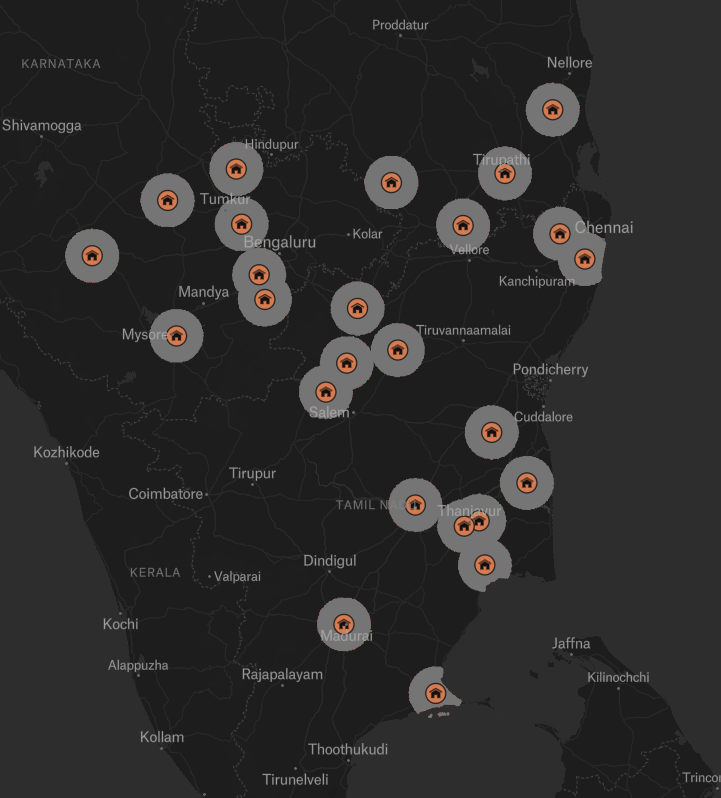
A rural lender ran one lending model across every branch. Each branch was matched to the model its surrounding market can actually sustain, and the results were checked against field data before any rollout.

A housing finance company reviewed branch performance quarterly, by which point a weak quarter was already spent. Each catchment now carries weekly signals on utilisation, competitor movement and officer coverage, with alerts that fire early.
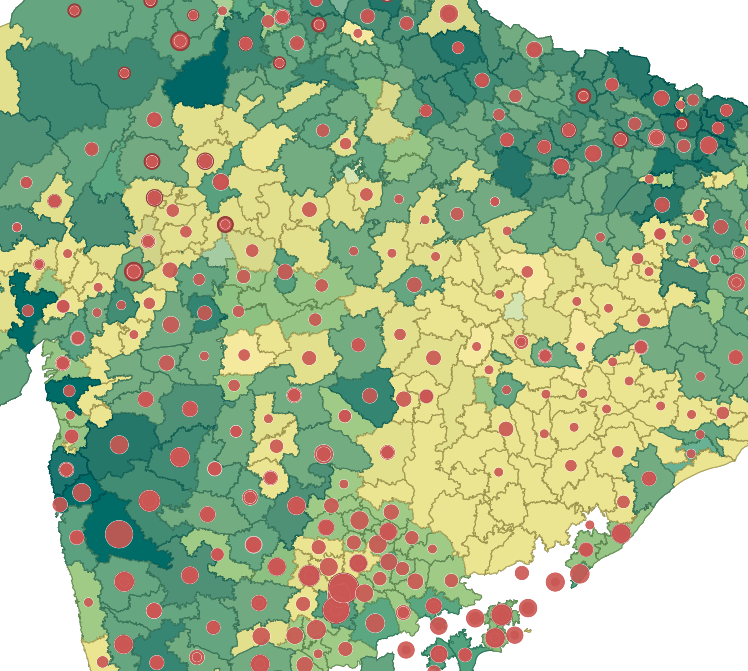
An education company was sending sales teams to districts without knowing which schools could buy. Every school was assessed on its ability to buy and ranked, so sales teams went straight to the schools most likely to convert.
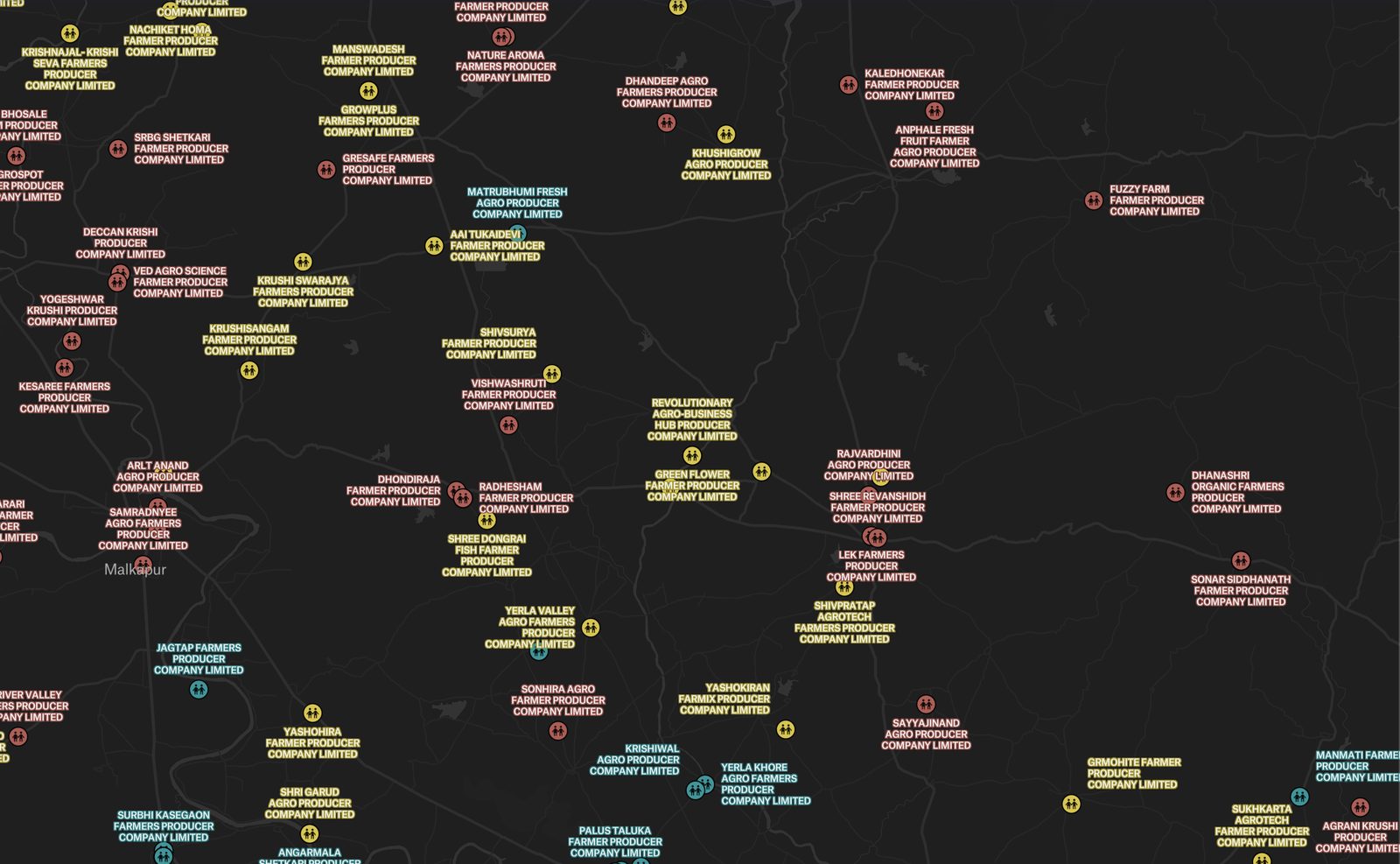
A company sourcing from Farmer Producer Organisations needed to know which could hold a long-term supply contract. Every organisation in the states in scope was assessed on governance, growth, processing access, land and climate, with adverse findings called out.

One of India's largest life insurers was expanding its agency channel with no view of which micro-markets to enter. Every market was classified by growth potential, and policyholder clusters with no agent nearby were surfaced separately.
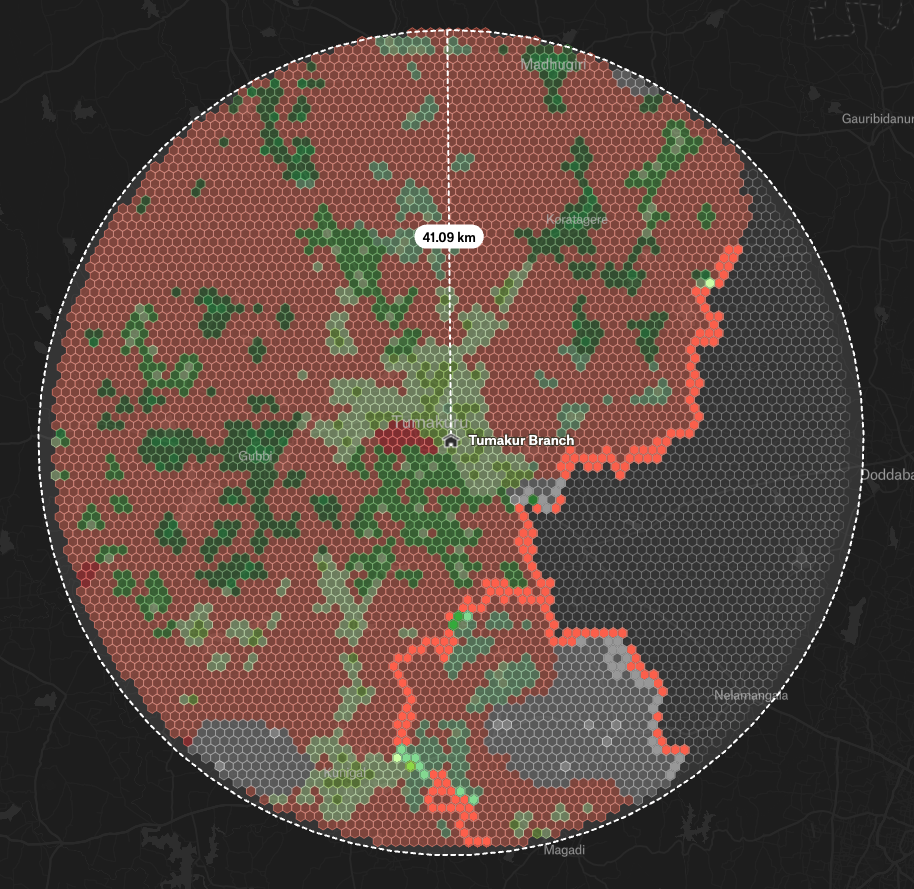
An NBFC lending against property was working its catchments evenly. Scoring showed the sourcing opportunity sat in a handful of pockets inside a 40 kilometre radius, not spread across it.
