

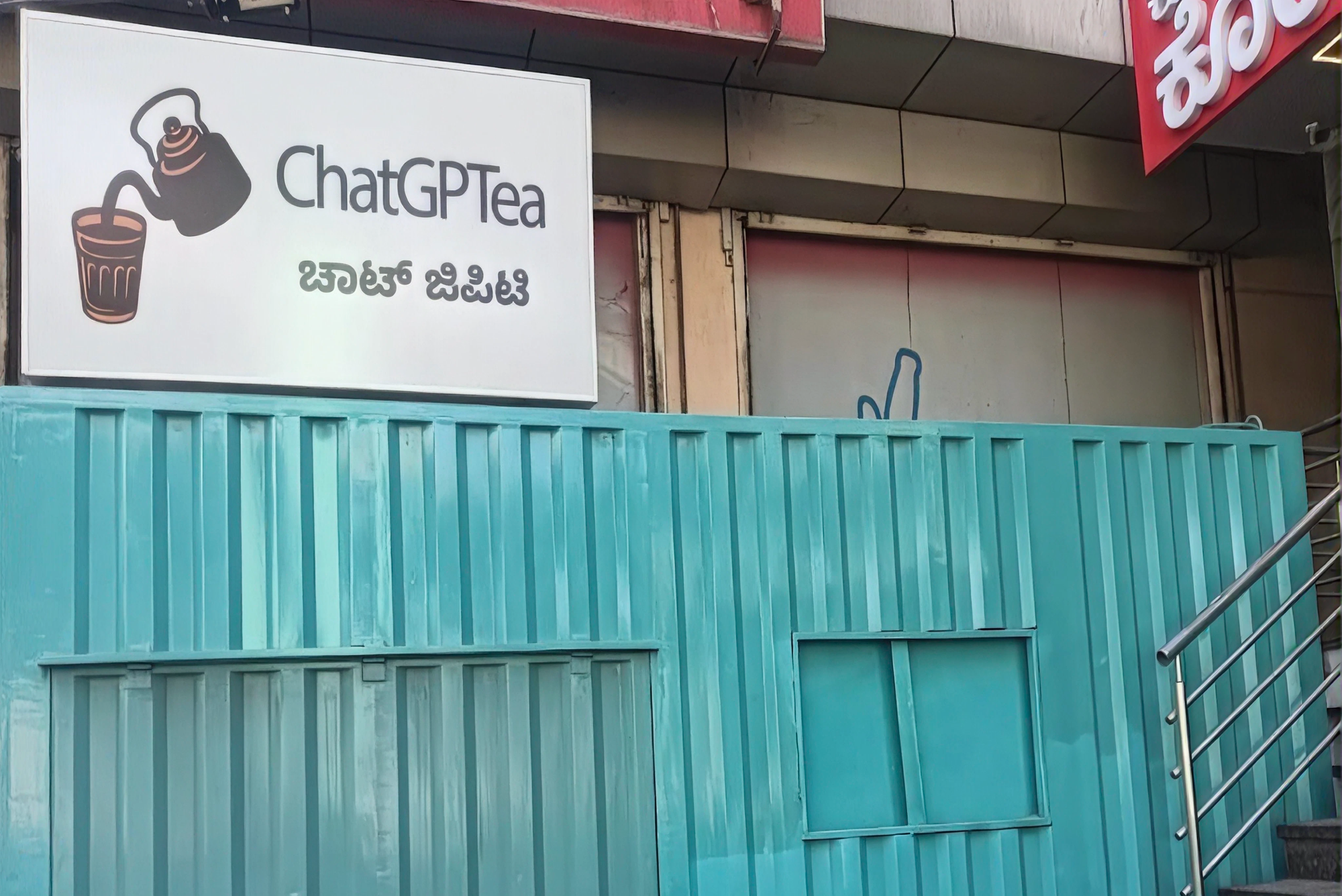


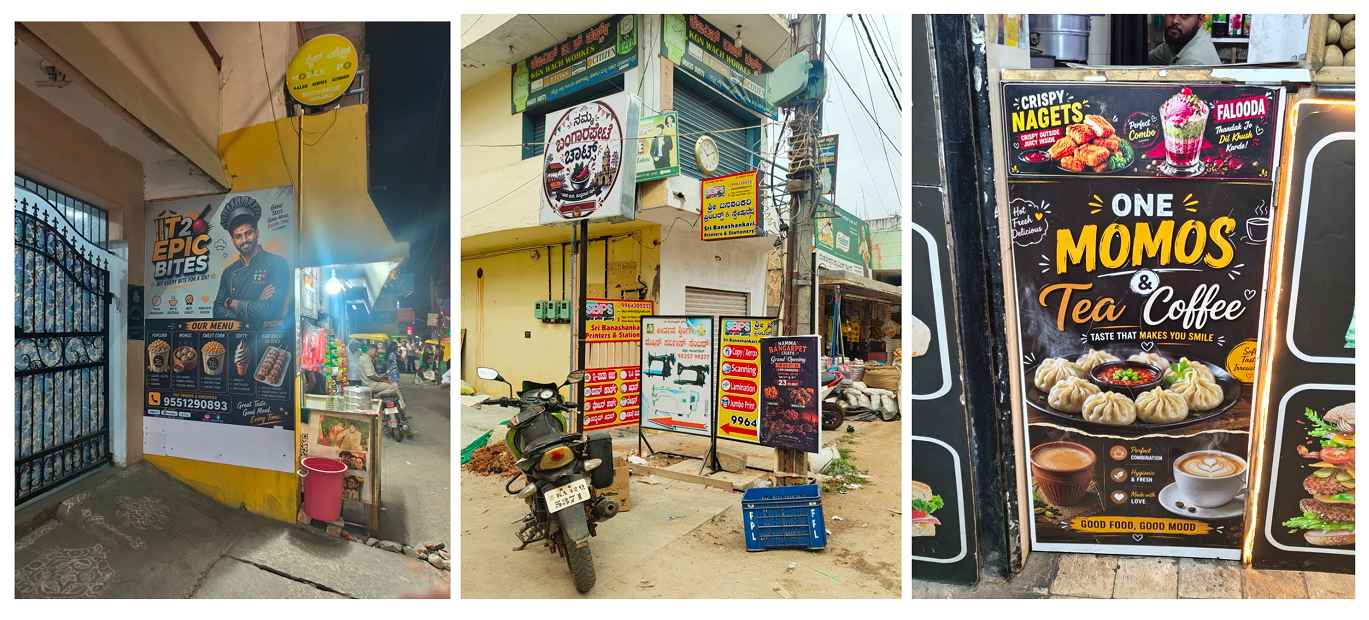
Walk down a commercial street in Bidadi today and you will spot artificial intelligence everywhere, without hearing anyone use the word. You see it on a four-foot snack stall poster: an illustrated chef, glossy product shots, trust badges, and a UPI QR code. Eighteen months ago, that stall owner picked from three pixelated stock images at a local flex printer. None of these business owners call themselves AI adopters, yet all of them are.
Headlines often focus on big numbers like 100 million weekly active ChatGPT users in India*, but that direct user base is mostly urban, young, and English-speaking. Entrepreneurial households in smaller towns and villages operate very differently. Household smartphone penetration across India stands at 85.5%* and internet access reaches 86.3%*, but traditional software failed these micro-businesses for years. The barrier was never a lack of phones or mobile data. It was complex, text-heavy software built in English.
Language and multimodal access changed the story completely. Over 70% of digital users in India prefer their native language*, and voice features remove the need for a keyboard altogether. In fact, 60% of product discovery in non-metro India now happens through voice or regional language queries*. People did not have to learn new technology. Instead, simple translation, voice inputs, and regional text generation landed directly inside the apps they were already using every day to run their lives and businesses.
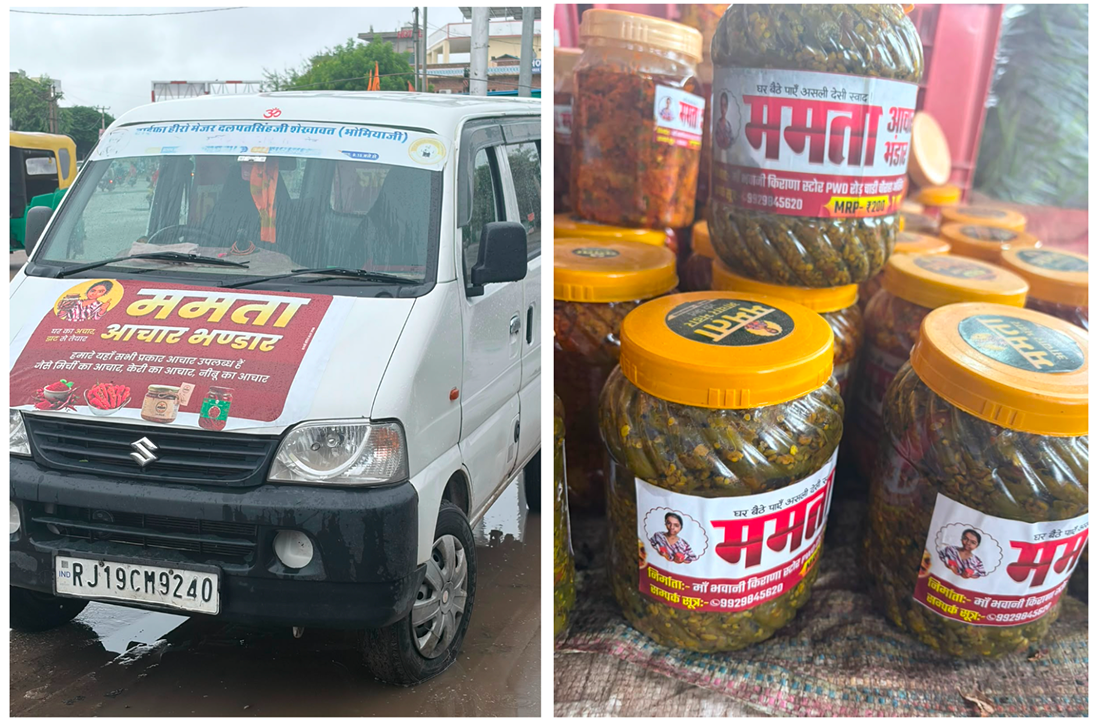
During a field visit in Osian in Jodhpur district, our team met a business owner who had just launched a new income stream: Mamta Pickles, named after his daughter. Looking at legacy brands like Nirma and Parle, he saw no reason why he could not build a national brand of his own. His marketing choices showed how naturally these tools fit into that ambition. On the car he used to travel and sell the pickles, he wrapped the side with a stylized, prompt-generated image of his daughter's face, turning her into a distinct mascot. On the actual pickle boxes, he printed her real photograph. He used technology as a simple design helper to make his home business look like an established brand. What is even more telling is his next step: launching marketing reels for Mamta Pickles on Instagram using AI-generated videos.
There is no doubt that AI is displacing work and taking away jobs across industries, and EHs are not immune to that pressure. Yet sitting right alongside that disruption is a parallel reality on the ground. As livelihoods shift, households are seizing these same tools to create new streams of income and reach customers they could never access before.
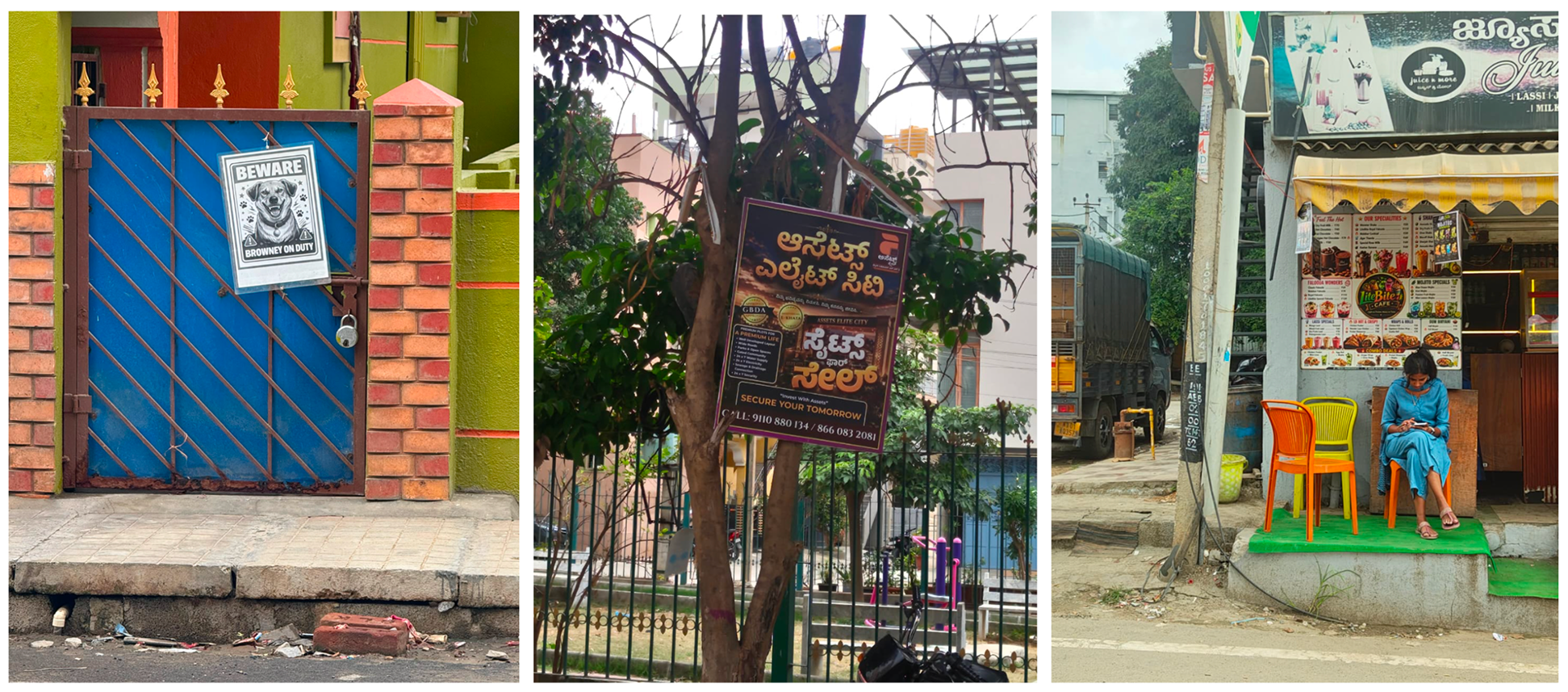
Very little of this technology comes in packages labeled as AI. It arrives quietly inside design apps, messaging tools, and camera features. A boutique owner creating weekly social media videos with regional voiceovers will often tell you she does not use new technology at all. Local print shops and photo studios end up doing the rest, turning digital designs into printed signs, street posters, and laminated gate notices.
Entrepreneurial households are also on the receiving end of automated calls every day, from loan reminders to voice scams. Constant exposure has given people a quick radar for artificial interactions, which they frequently report as AI calls on apps like Truecaller. The white-collar world often assumes that these households are technologically dated. Little do they know how fast that radar develops on the ground.

That same street-smart sense carries over to how they use technology to run their businesses. In corporate offices, people spend time choosing between tools and learning how to write prompts. On the street, people care only about the result. The goal is simple: print a banner for Saturday, post a video before a festival to highlight the business, or set up a label for a new pickle line.
Entrepreneurial households do not care which model runs in the background, nor do they hold software loyalty. Their evaluation is immediate, practical, and unsentimental: does this help me grow my business and income?
When the answer is yes, they do not pilot it. They jump.
Sources
- 100 million ChatGPT users: OpenAI market data / Sam Altman statement reported by Social Samosa (concentrated among urban students, developers, and white-collar professionals).
- 85.5% smartphone / 86.3% internet penetration: Results of Comprehensive Modular Survey: Telecom, Press Information Bureau (PIB MoSPI Report).
- 70%+ native language preference: Google for India / IndiaAI Report on Vernacular Preferences (IndiaAI Portal).
- 60% non-metro voice & regional discovery: RedSeer Consulting Digital Consumer & Voice Commerce Report (RedSeer Research).